What Is Miyawaki Farming? How Tamara Valley Grows Dense Native Forests
By Tamara Valley Team1 min read
In 1973, Japanese botanist Akira Miyawaki developed a method to restore native forests rapidly, even on degraded land. Today, Miyawaki farming is used across India to create dense, biodiverse mini-forests that grow 10 times faster than conventional plantation methods.
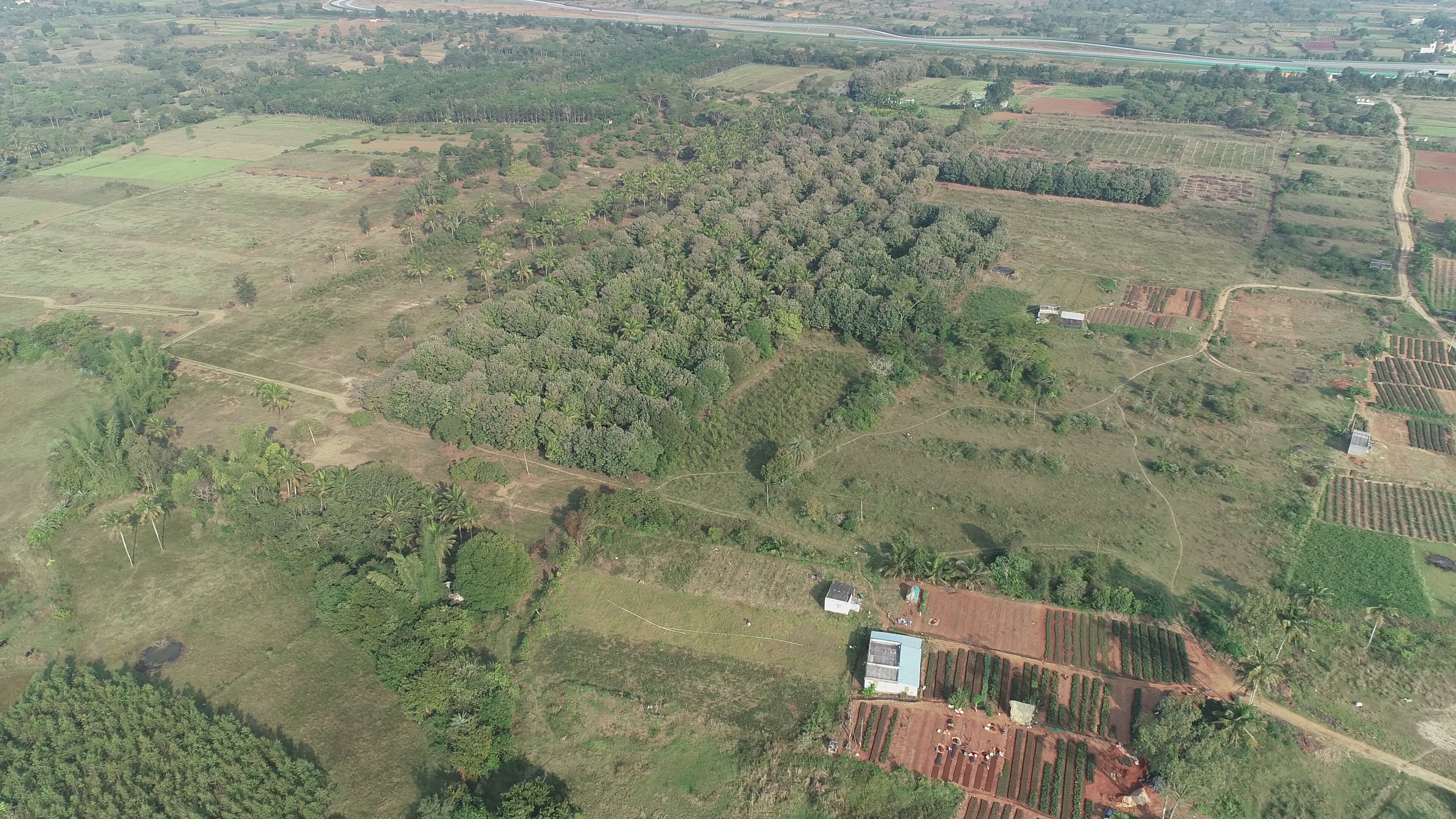
At Tamara Valley, Miyawaki afforestation is a core part of how the land is managed. Here's why.
How the Miyawaki Method Works
Soil is tested and enriched with organic matter (compost, biomass, manure)
Native tree species are selected, 3 to 5 per square meter, mixed randomly as in nature
Trees are planted close together, forcing them to compete for light and grow faster
Mulching prevents water evaporation and weed growth
The forest becomes self-sustaining within 3 years, with no irrigation or maintenance needed
Why Miyawaki Forests Suit Managed Farmland
Creates a carbon sink that can generate carbon credits over time
Increases biodiversity, attracting birds, insects and pollinators
Dramatically improves soil health and groundwater recharge
Adds aesthetic and ecological value to your land
Increases the resale premium of the overall community
What Grows at Tamara Valley
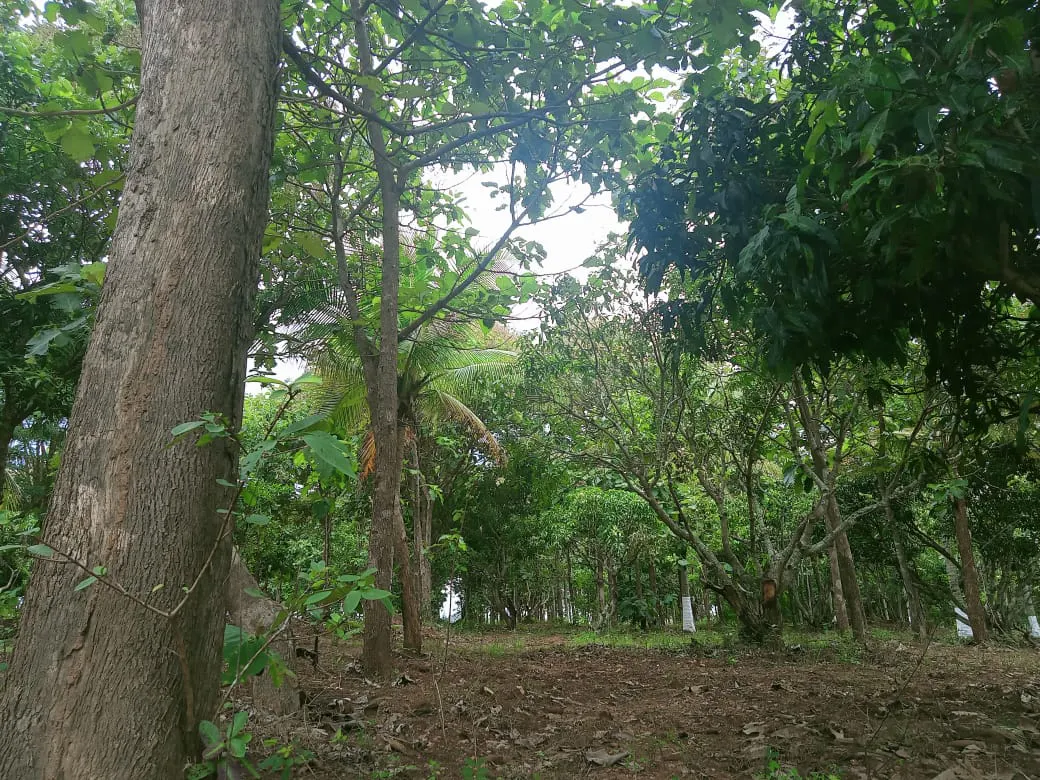
Typical species include Neem, Pongamia, Indian Rosewood (Dalbergia latifolia), Jamun, Arjun, Cluster Fig, Silk Cotton and more, all native to the Deccan plateau ecosystem.
The Investment Angle
As carbon markets mature in India, landowners with documented forest cover may be eligible to sell carbon credits, a new income stream that didn't exist 5 years ago.
The ancient Sanskrit saying puts it perfectly: दशपुत्रसमो द्रुमः, "A tree is equivalent to ten sons."
Carbon credit eligibility and returns are not guaranteed and depend on evolving regulations. Please verify details before investing