Seven Questions to Ask Before Buying Managed Farmland Near Bangalore
By Tamara Valley Team4 min read

In this article
- 1. Is the location something no developer could build later?
- 2. How far is it, honestly, on a Friday evening?
- 3. Is the infrastructure on the ground, or only in the brochure?
- 4. Who looks after managed farmland when you are not there?
- 5. Will the land be healthier in ten years, or just older?
- 6. What can you actually do with farm villa plots near Bangalore?
- 7. Can the developer show you land, not just plans?
Every weekend, families from Bangalore drive out to look at land. Most come back with a brochure, a few photos from the site visit and no clear way to compare one project with another. The plots look alike. The promises sound identical. The difference only becomes obvious three years later, when one estate has matured and the other has quietly gone back to scrub.
That gap is visible before you sign, if you know where to look. Here are seven questions worth putting to any developer selling farmhouse plots near Bangalore, with Tamara Valley by Rajan Farms, a 380-acre premium managed farmland project in Thally, as the worked example.
1. Is the location something no developer could build later?
Roads, fencing and clubhouses can be added to almost any site. Climate, elevation and terrain cannot. Location is the one decision a buyer can never correct after purchase, so it deserves the most scrutiny.
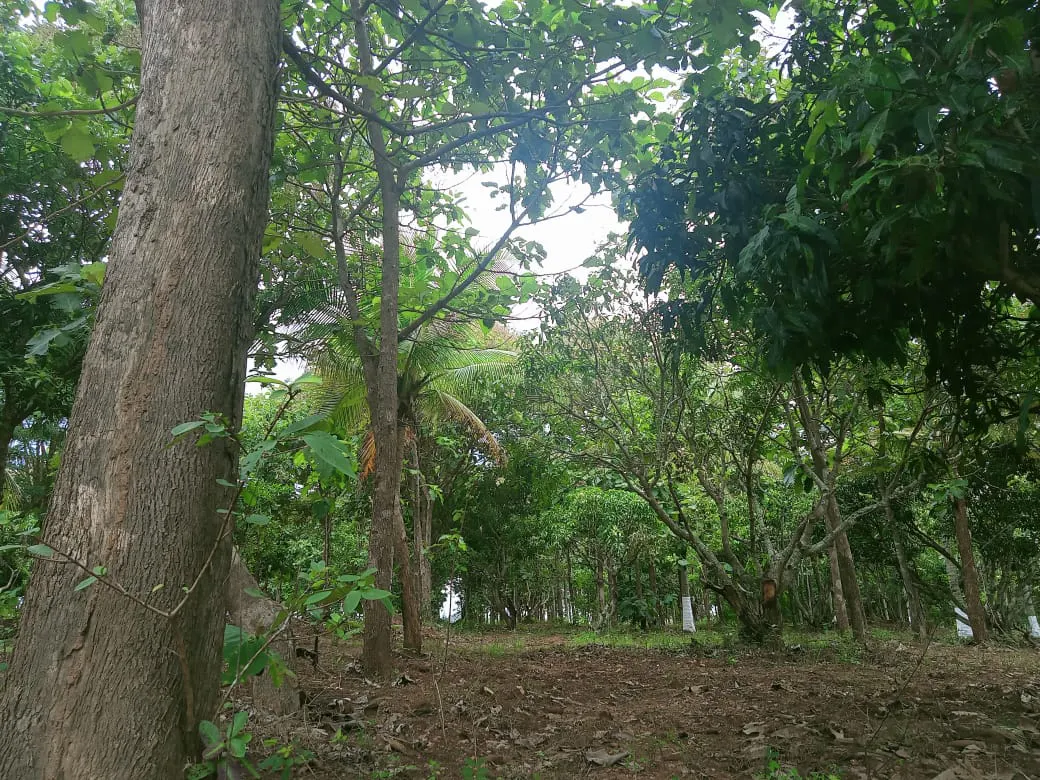
Ask about altitude, about what surrounds the site, and about what the land feels like in May rather than August. Thally sits at around 1,000 metres, which is why the area has long been known as Little England and why the air cools on the way up. The valley is bordered by forest and Thally lake, with the Devarabetta Temple on a nearby hill. None of this appears on an infrastructure checklist, yet all of it decides how often a family actually makes the trip.
2. How far is it, honestly, on a Friday evening?
A plot that takes three hours to reach becomes a plot you visit at Diwali. Measure the drive from where you live and work, at the hour you would really leave.
Tamara Valley is about 45 minutes from Electronic City. That number does two jobs. It keeps the weekend home realistic rather than aspirational, and it places the land beside the Hosur industrial corridor, where manufacturing, automotive and aerospace investment keep pulling jobs, and housing demand, southward.
3. Is the infrastructure on the ground, or only in the brochure?
Brochures describe what will exist. Site visits show what does. Walk the internal roads and check whether they are concrete or compacted mud, because the first monsoon will settle that question for you. Look at the perimeter fencing, the water systems, and whether plots are demarcated and survey-clear.
A telling signal is how much land a developer gives up for shared use. At Tamara Valley, more than 10 acres are set aside for amenities, including a clubhouse spread across over 4 acres. Projects that sell plot-first tend to treat amenities as phase-two promises. Projects built infrastructure-first treat them as the reason the plots are worth owning.
4. Who looks after managed farmland when you are not there?
This is the question that separates managed farmland from simply buying agricultural land. You will be away most of the week. Someone has to water the plantation, maintain the boundaries and notice when something is wrong.
Ask exactly what the estate maintains: plantation, landscaping, roads, fencing, water. Ask whether that commitment is written down or only spoken. In a gated community farmland in Bangalore's southern belt, security and upkeep are shared across the estate, which is what keeps an absent owner's land from being slowly occupied or slowly forgotten.
5. Will the land be healthier in ten years, or just older?
Every real estate brochure now calls itself sustainable. With farmland, the claim can be tested. Ask which species are being planted and why. Ask how the layout handles heavy rain. Ask whether the soil is being built up or simply used up.
Native planting, designed water retention and organic soil practice are not decoration. They decide whether a plot gains tree cover and produce over the years, and that decides what the next buyer will pay for it. Low density matters for the same reason: the landscape is the asset, and every unnecessary structure dilutes it.
6. What can you actually do with farm villa plots near Bangalore?
Ask how flexible the plot is. What can be built on it, and within what guidelines? Can the estate continue farming it if you would rather not? Will the community still work for you if your use changes?
The right project should suit a family that visits twice a month today and the same family that moves in for good fifteen years from now, on the same piece of land. If the answers only cover the first scenario, the plot is a holiday, not an asset.
7. Can the developer show you land, not just plans?
Anyone can print a site plan. Far fewer can take you to estates they have already delivered and still run. Ask how many acres the developer currently manages, for how long, and whether you can speak to existing owners.
Rajan Farms manages over 1,000 acres across Bangalore and Mumbai, with more than five years of operating history in the category. In land, that kind of record is worth more than any rendering.