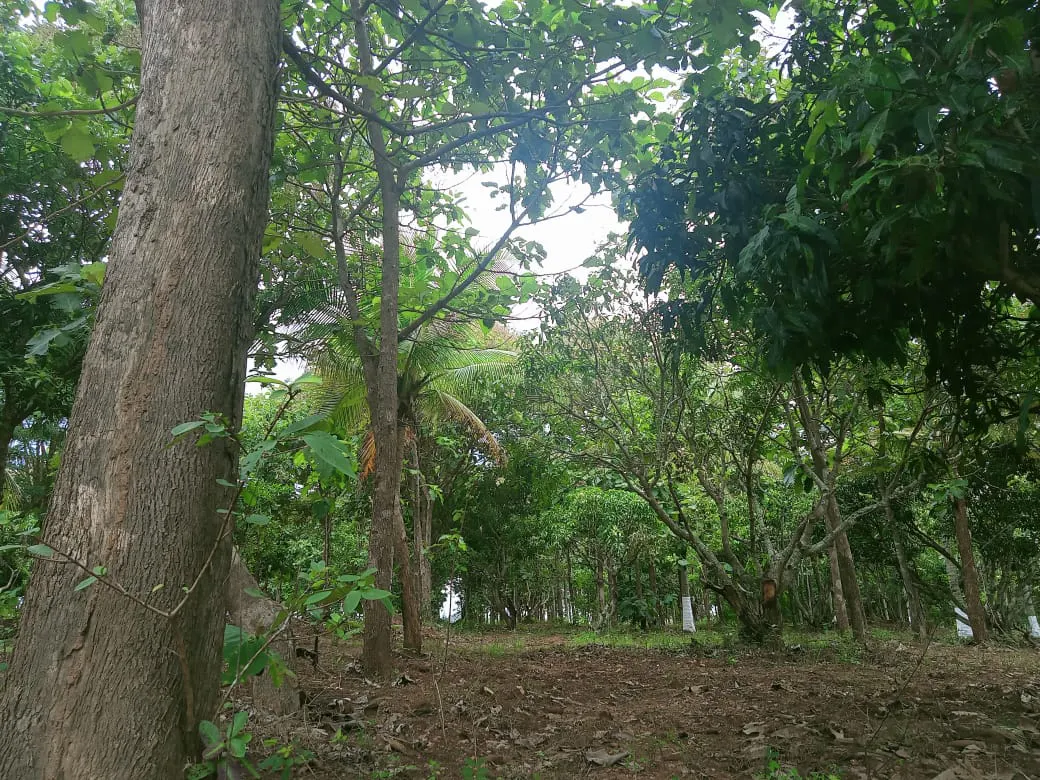
Buying Farmland in Tamil Nadu: Why Tamara Valley Is Investor-First
By Tamara Valley Team3 min read
If you've visited Tamara Valley, you've likely noticed it's physically close to Bangalore, about 55 minutes by road via NH-44. But cross the state border and you're in Tamil Nadu, and that border matters enormously when it comes to farmland law.
This isn't accidental. It's a deliberate, investor-first decision by Rajan Farms, the team behind Tamara Valley. Here's why.
Tamil Nadu: One of India's Most Open Farmland Markets
In most Indian states, buying agricultural land as a non-farmer is complicated, or outright illegal. Karnataka, Maharashtra, Andhra Pradesh and others all impose restrictions on who can purchase farmland. Tamil Nadu is a significant exception.
Any Indian citizen can purchase agricultural land in Tamil Nadu, regardless of whether they or their family have ever farmed. There is no requirement to prove agricultural lineage, no farmer certification, and no state government approval needed simply to buy. This is one of the reasons Tamil Nadu has a thriving managed farmland investment ecosystem.
What About Development and Structures?
Tamil Nadu gives landowners relatively clear pathways to build farm-related structures (farmhouses, guest rooms, sheds, storage facilities) on agricultural land, particularly on Punjai (dry/rainfed) land. The permissions are structured and accessible, not arbitrary. This is what enables Tamara Valley to build its clubhouse, natural swim ponds and resort-style amenities legally and transparently.
Nanjai vs Punjai Land: What's the Difference?
Tamil Nadu classifies agricultural land into two types. Knowing the difference is essential before you invest.
Nanjai (Wet Land) | Punjai (Dry Land) | |
|---|---|---|
Water source | Irrigated by rivers or canals | Rainfed; relies on borewells and seasonal rainfall |
Typical use | Paddy and sugarcane | Horticulture, orchards, timber, managed organic farming |
Development | Protected for food security; permanent structures heavily restricted | Farmhouses and development far more permissible |
Tamara Valley is on Punjai land: verified, documented, and cleared for managed farmland development.
Key Documents to Verify Before Buying Farmland in Tamil Nadu
Whether you're buying at Tamara Valley or independently, these are the documents that matter:
Patta Chitta: The merged ownership and land classification document issued by the Tamil Nadu Revenue Department. It tells you who owns the land, how much, where it is, and whether it's Nanjai or Punjai. Verify this live on the Tamil Nadu e-Services portal (eservices.tn.gov.in). Never rely on a photocopy alone.
Encumbrance Certificate (EC, Form 15): Pull a 30-year EC from the Sub-Registrar's office. It shows every registered transaction on the land: sale, mortgage, gift, partition or court order. The seller's name must appear, and any prior loans must be cleared.
FMB Sketch (Field Measurement Book): The government survey map showing exact boundaries of the survey number. Cross-verify with physical boundaries on site.
Adangal (Form A Register): Shows land use, crop details, whether the land is cultivated or fallow, and who is in possession. Critical for verifying actual agricultural use.
Chitta (now merged with Patta): Confirms ownership in the revenue records at the village level.
Sale Deed with Chain of Title: Trace at least 30 years of ownership history. Every transfer must be registered. Any gap is a legal red flag.
Ceiling Limits on Agricultural Land
Tamil Nadu law caps agricultural land ownership at 15 standard acres per individual or family under the Tamil Nadu Land Reforms Act. For investors buying smaller farm plots (typically 0.25 to 2 acres) at Tamara Valley, this ceiling is rarely relevant, but it's good to know.
Can NRIs and Foreign Nationals Buy Farmland in Tamil Nadu?
NRIs holding Indian citizenship can purchase agricultural land in Tamil Nadu. However, foreign nationals and PIOs (Persons of Indian Origin) holding foreign citizenship cannot purchase agricultural land in India. This applies nationwide under FEMA regulations, not just in Tamil Nadu.
The Tamara Valley Approach to Legal Compliance
Every plot at Tamara Valley comes with a complete documentation package: verified Patta Chitta, clean 30-year EC, FMB sketch, Adangal extract and a full chain of title. We work with experienced local lawyers who specialise in Tamil Nadu agricultural land transactions. When you register your plot, you do it at the local Sub-Registrar office: straightforward, government-registered, and entirely yours from day one.
The Short Version
Tamil Nadu's farmland laws are clear, fair and genuinely investor-friendly. That's why Tamara Valley is here.